


Food cultures
Shiyang: care through everyday meals
Explore Chinese shiyang and Japanese shōjin cooking, then bring their attention to food into everyday plant-based meals.


The Journal articles are open to everyone. The free footer newsletter announces new readings, with or without a purchase. Any piece also includes plant-based recipes and nutrition guidance sent regularly by email after you confirm your address and consent.
Explore Chinese shiyang and Japanese shōjin cooking, then bring their attention to food into everyday plant-based meals.
Choose a first reading through a cultural story, a practical recipe, nutritional pointers or a guide to the pieces.

An old idea about measured flavours becomes a simple gesture at a plant-based table: cook separately, taste, then season.

The flavour of food, how much one can eat and how one drinks: three passages from a chapter on eating in later life.

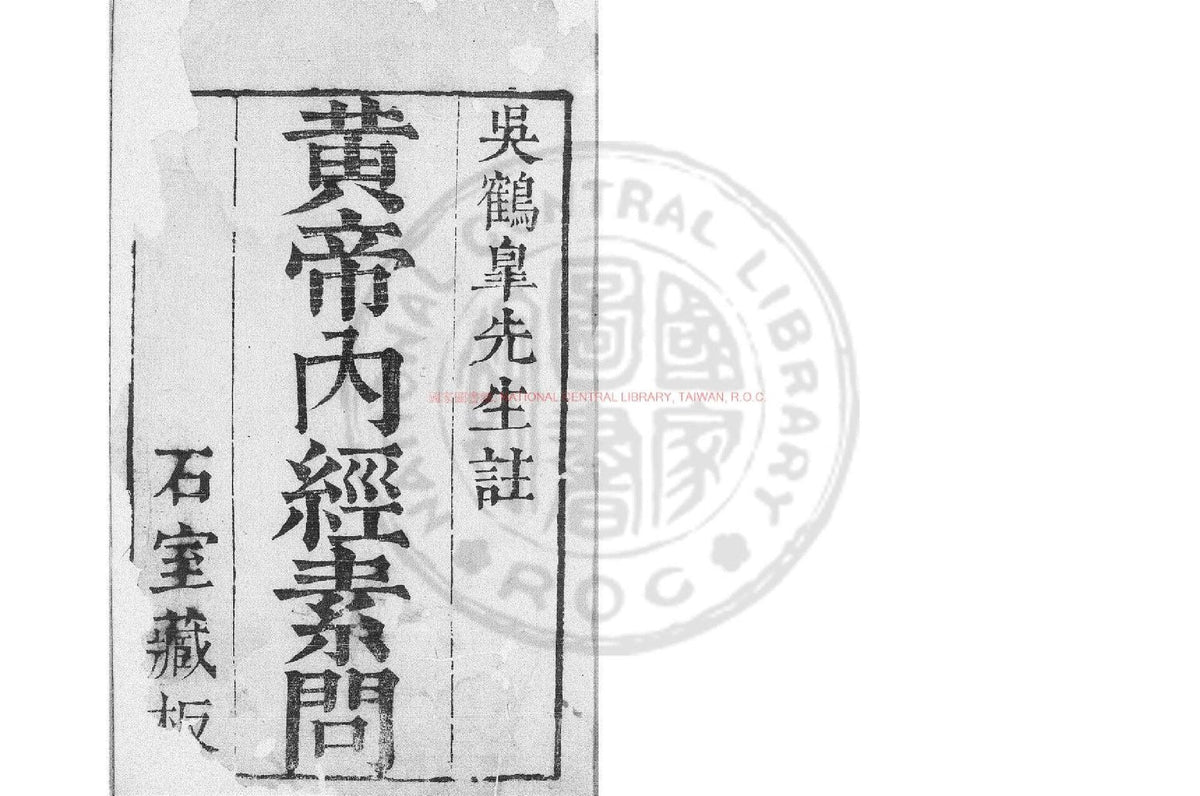
The Zangqi Fashi Lun chapter sets several food groups within an older view of care. Read the whole passage without turning it into a modern vegetarian rule.
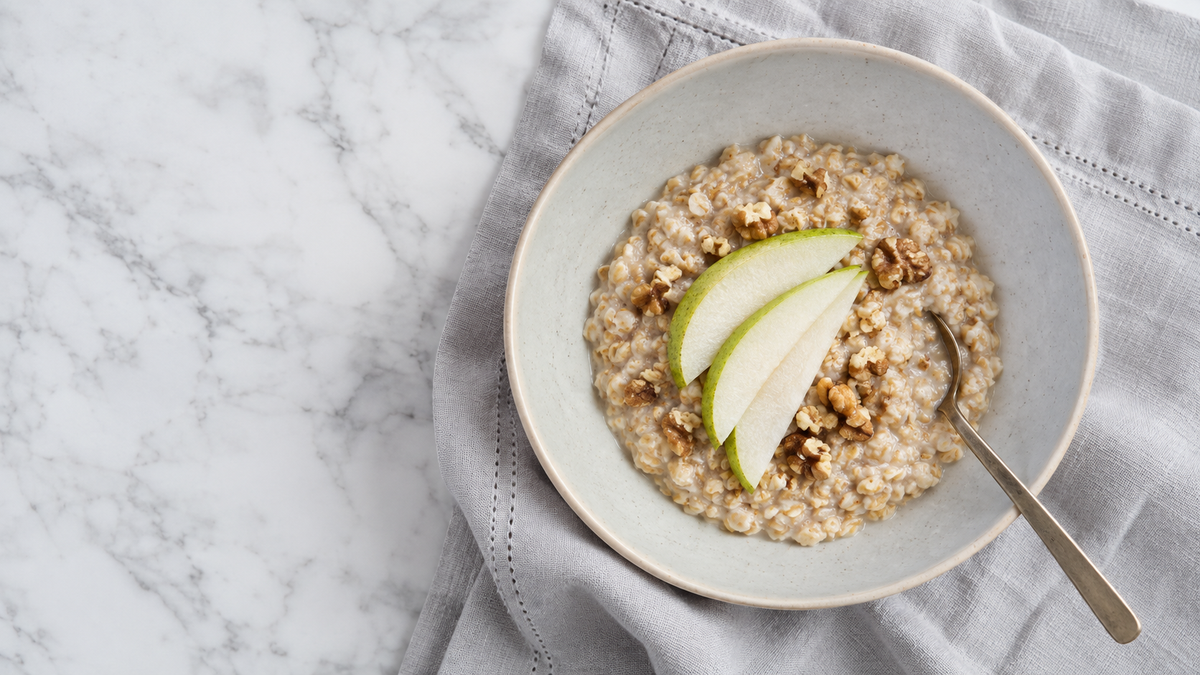
From the Zen meal to plant-based porridge: begin caring for yourself with the first bowl.
Sōtō Zen presents “lightness and softness” among the three qualities of shōjin cooking. Separate the older text from today’s explanation.

From the Daodejing to cauliflower and white beans: practise simplicity at the table.

In Shengqi Tongtian Lun, the phrase follows a discussion of excess. It is neither a recipe nor a requirement to combine five tastes in every meal.

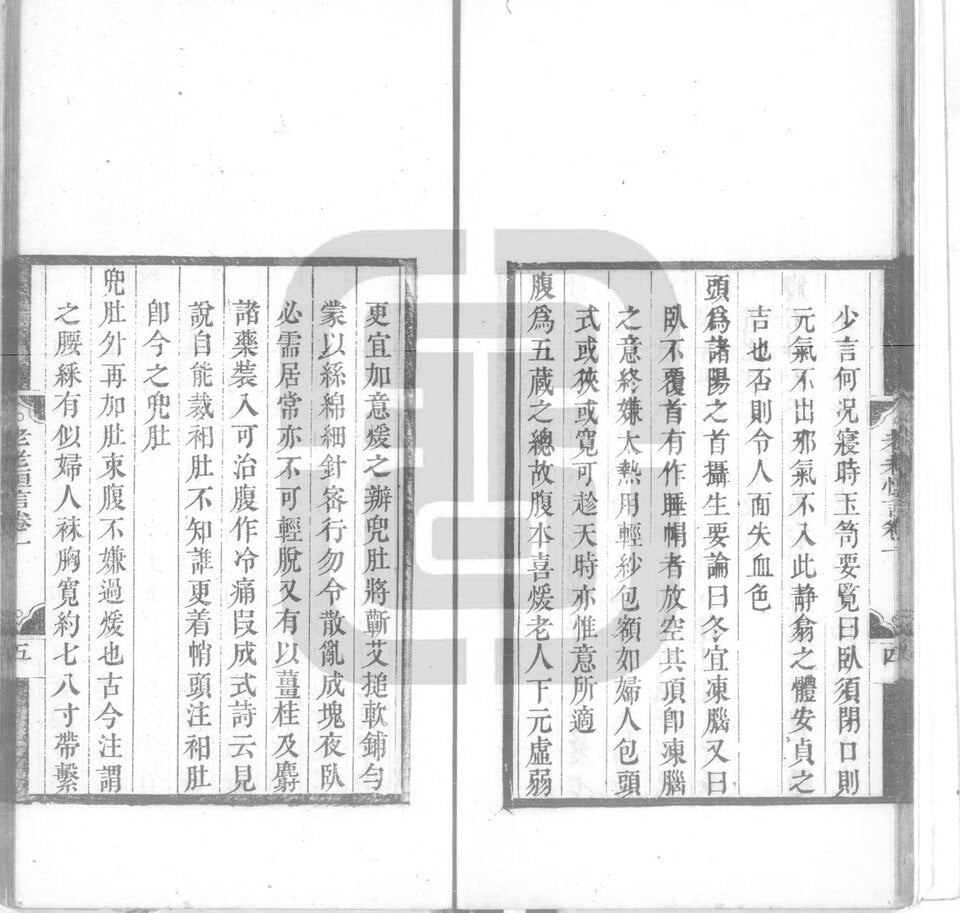
In a section on rising in the morning, Laolao Hengyan makes room for plain rice porridge. Understand the advice within its setting of later-life care.
The Sishi Suoyi chapter connects spring, summer, autumn and winter to particular food choices. It is not a list of seasonal French vegetables.
