


Plant-based recipes · OrienX Journal
Bulgur, lentils and roasted carrots
Everyday ingredients, lemon and parsley: a plant-based meal to return to at home.
To bring grains, pulses and vegetables together in a flavoursome meal, start with this bowl. Put the carrots in the oven and cook the bulgur alongside them. Warm the lentils towards the end, then add lemon and parsley. The grains keep their bite, the lentils their softness and the vegetables their roasted flavour.
A meal that begins with grains
The Suwen, a Chinese text on food culture, gives grains an essential place in the diet. OrienX takes from it an intention: to care for the ordinary foods that make up our meals. In a French kitchen today, we express this with bulgur, lentils and carrots. This plant-based recipe is our contemporary interpretation of that attention to food.
Serves one · around 35–40 minutes, including 10 minutes of preparation. You will need an oven and two small saucepans. The quantities are a starting point to adapt to your appetite.
Ingredients: 180 g of washed, trimmed carrots, 35 g of dry bulgur and 150 g of cooked, drained lentils. Canned or pouch lentils are suitable; rinse and drain them before starting.
To season: 2 teaspoons of olive oil (10 ml in total), around 1 tablespoon of lemon juice, 5 g of parsley, a little salt and pepper. Bulgur contains gluten. To avoid wheat, replace it with rice cooked according to the packet instructions, adjusting the quantity.

Cook each ingredient with care
1 · Roast the carrots. Preheat the oven to 200 °C, or around 180 °C fan. Cut the carrots into sticks around 1 cm thick. Mix with 1 teaspoon of oil, a little salt and pepper, then spread on a baking tray. Roast for 25–30 minutes, turning halfway through, until a fork goes in easily and the edges are lightly browned. Adjust to your oven and the size of the pieces.
2 · Cook the bulgur at the same time. Once the carrots are in the oven, cook the 35 g of bulgur using the water quantity and timing on the packet: the method varies with grain size. Drain off excess water or let the grains finish absorbing it, then fluff with a fork.
3 · Warm the lentils. Towards the end of the carrots' cooking time, put the 150 g of cooked lentils in a small saucepan with 1–2 tablespoons of water. Warm gently for 3–5 minutes, stirring carefully, until hot throughout. Drain off excess water, keeping the lentils whole as far as possible.

4 · Taste before adjusting. Mix the bulgur and lentils with the second teaspoon of oil and a little lemon juice. Add the carrots and washed, chopped parsley. Taste, add the remaining lemon gradually, then adjust the salt and pepper. Acidity lifts the flavours; there is no need to add everything at once.
Bring the meal together in a familiar bowl
Spoon the bulgur and lentils loosely into Grain · Deep Bowl, then arrange the carrots on top. Its 15 cm opening, 7.5 cm height and 800 ml capacity suit these ingredients with a little dressing. Leave space for the fork and for mixing. The volume taken up depends on the food; serve any extra separately if needed.
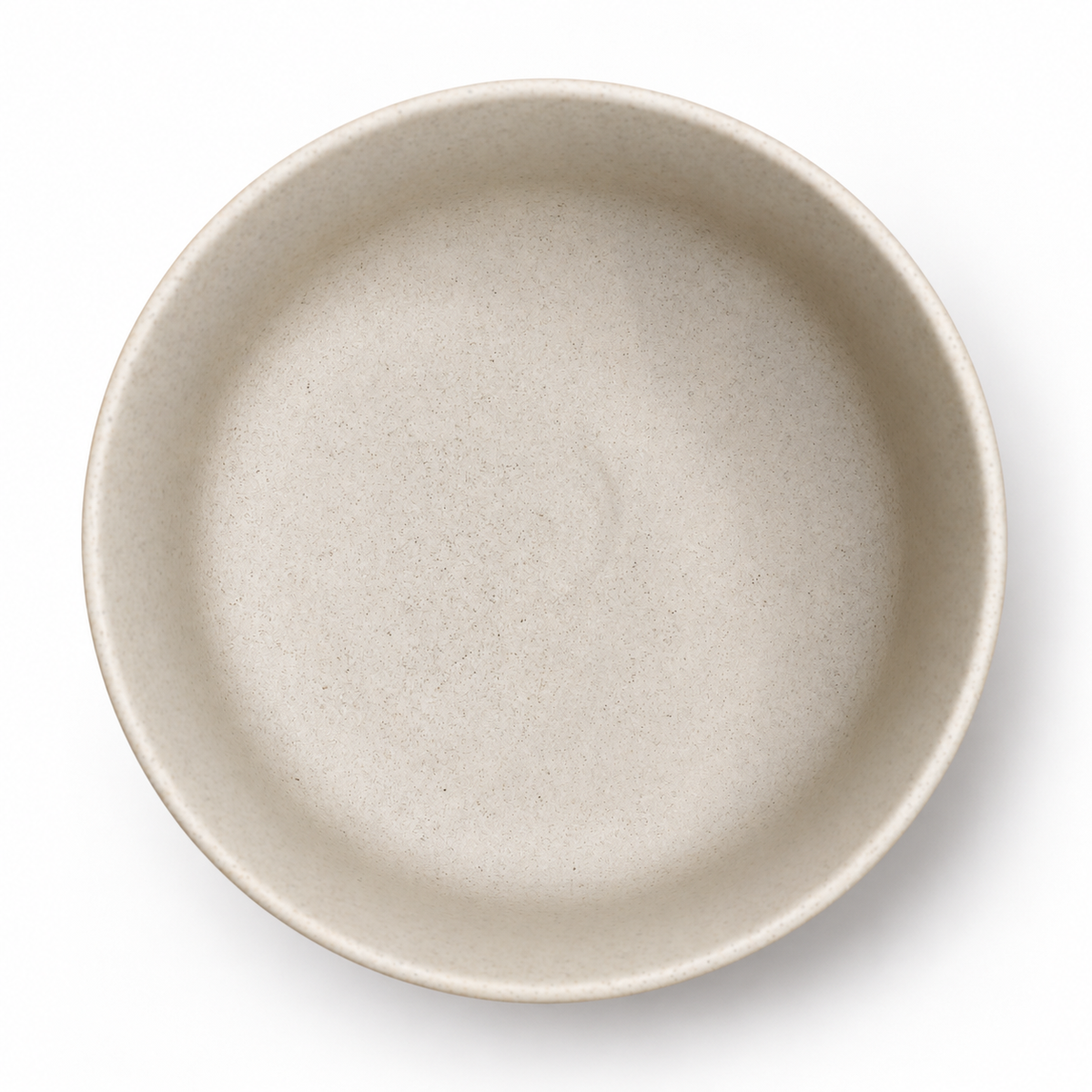
Orange carrots, green parsley and pale grains remain visible against the quiet ceramic surface. Grain brings together this meal that starts with cereals, giving care for ordinary food a familiar place. Enjoying the preparation and the piece that holds it makes them a combination to return to.
Next time, change one ingredient first: cooked rice instead of bulgur, or cooked chickpeas instead of lentils, adapting quantities and seasoning. To understand the place of pulses, read Protein in a plant-based meal. This recipe offers one preparation; an everyday diet is built from varied foods in sufficient quantities.
Cultural reference: Suwen, Zang qi fa shi lun chapter. The passage also includes animal foods; OrienX draws here on its attention to grains for a contemporary plant-based interpretation. Dietary guidance: Ameli: grains and pulses. Recipe proposed by OrienX; check that foods are cooked and follow packet instructions.
